Arthroscopy · Sports Medicine · Joint Replacement · Orthopedic Surgery
Expert orthopedic care. Restoring movement.
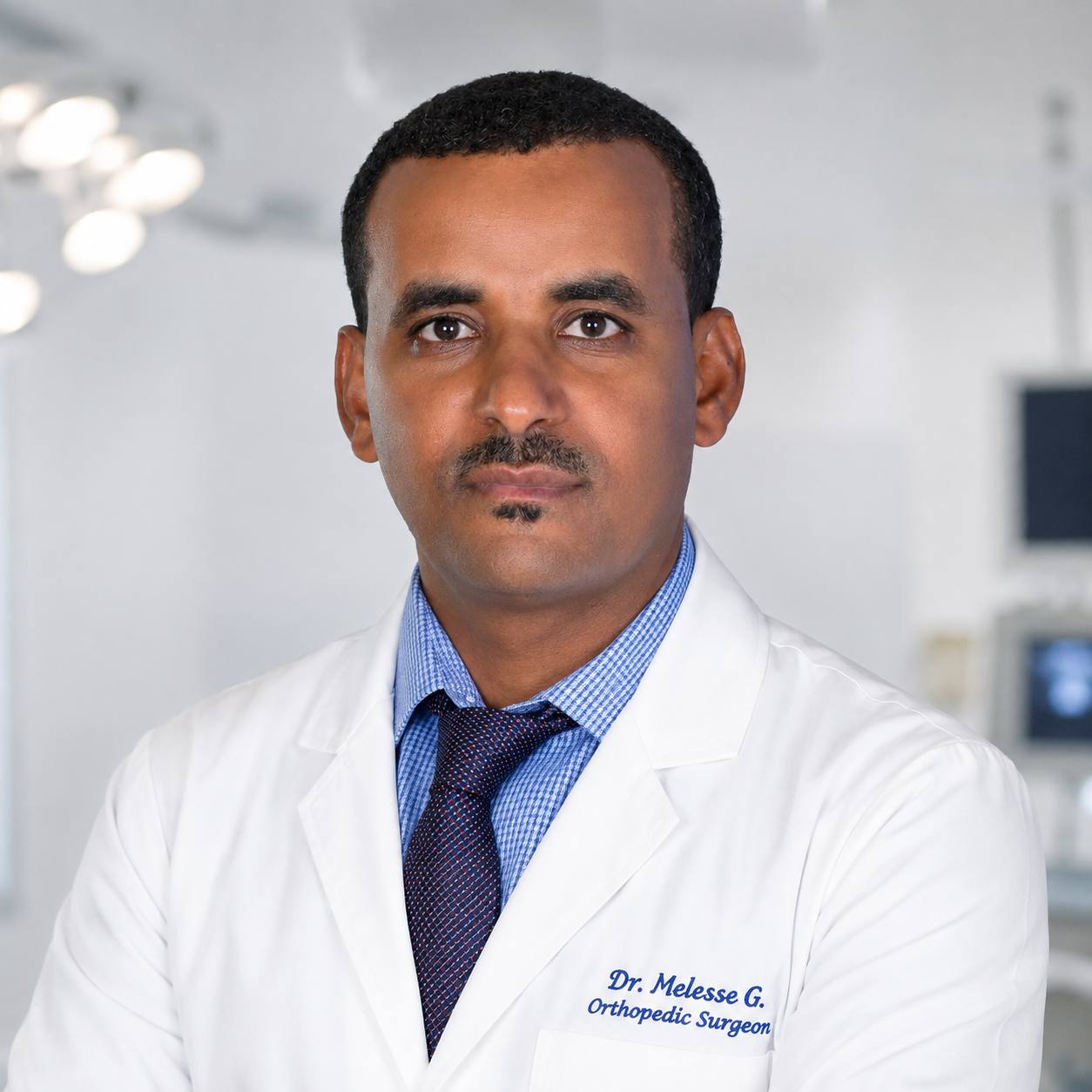
Dr. Melesse Gardie, MD is an orthopedic surgeon specialized in arthroscopy, sports medicine, and joint replacement, helping patients explore appropriate treatment options for joint injuries, pain, and mobility problems.
Orthopedic Surgeon — Arthroscopy / Sports Medicine & Arthroplasty Subspecialist
Dr. Melesse Gardie, MD is an orthopedic surgeon specialized in arthroscopy, sports medicine, and arthroplasty. His practice focuses on helping patients understand their joint health, explore appropriate treatment options, and make informed decisions about their care.
With a commitment to clinical excellence and clear communication, Dr. Gardie works with each patient to develop an individualized plan that may include non-surgical care, rehabilitation, or surgical intervention—always based on careful assessment and the patient's unique needs and goals.
To provide compassionate, evidence-based orthopedic care that restores function, relieves pain, and helps patients return to the activities they value.
MDDoctor of Medicine
Orthopedic SurgeryBoard Certified Specialist
Arthroscopy / Sports MedicineSubspecialty Training
ArthroplastyJoint Replacement Specialist
Clinical Expertise
Areas of Specialization
Comprehensive orthopedic care focused on joint preservation, sports injuries, and arthroplasty.
01
Arthroscopy
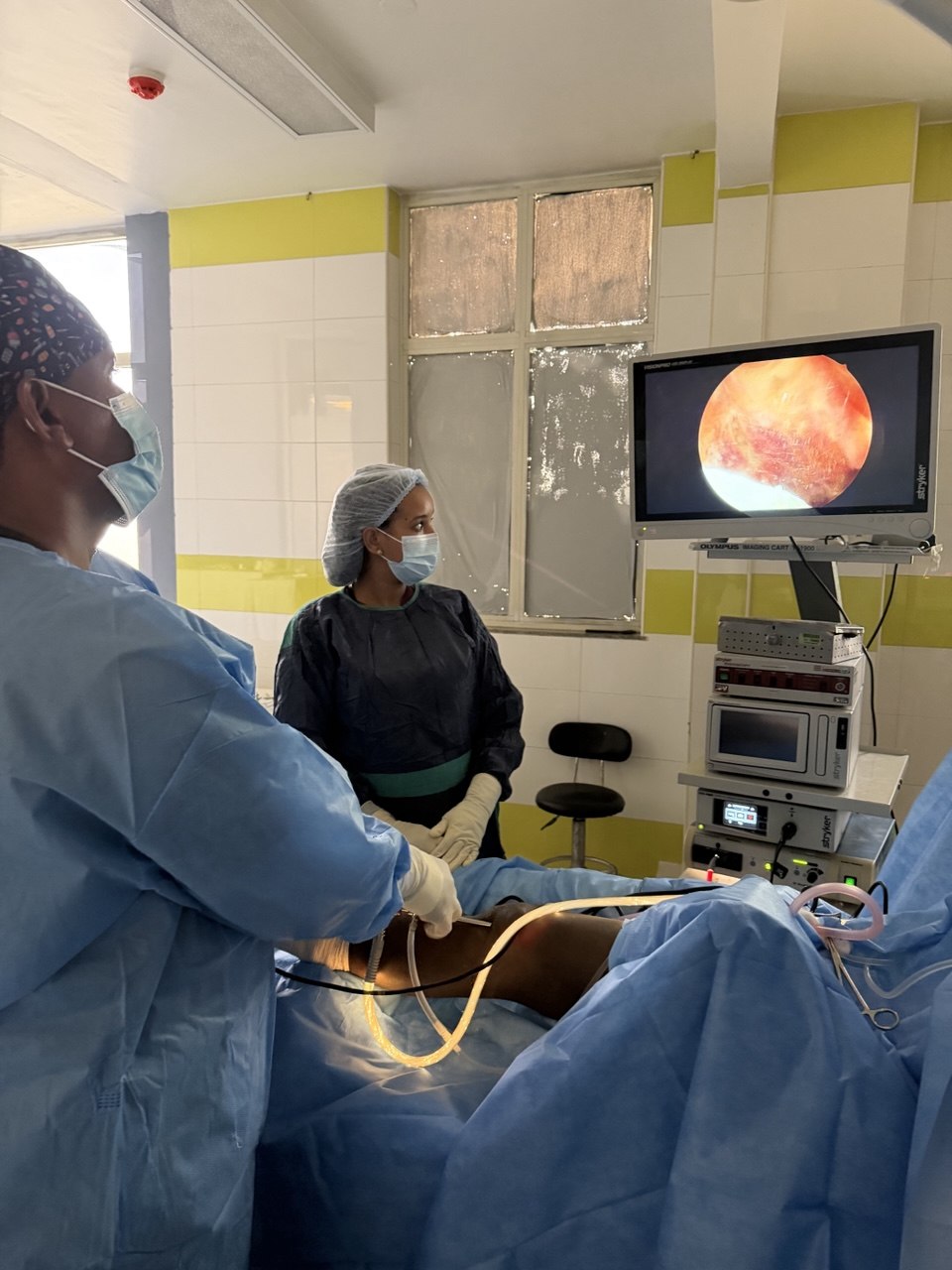
Dr. Melesse's practice focuses particularly on knee, shoulder, ankle and elbow arthroscopy and the surgical management of sports-related injuries. His areas of clinical expertise include ACL reconstruction, meniscus repair, arthroscopic management of shoulder instability, management of ligament injuries, and arthroscopic treatment of selected intra-articular disorders. His clinical interests extend beyond the surgical procedure itself to include appropriate patient selection, preoperative preparation, postoperative rehabilitation, and the progressive return to daily activities and sports.
Knee arthroscopy
Meniscus injuries
ACL and ligament injuries
Selected shoulder conditions
Cartilage and intra-articular problems
02
Knee Preservation and Joint Reconstruction
Dr. Melesse has a clinical interest in joint-preserving approaches that address the underlying cause of dysfunction while maintaining the patient's native joint whenever feasible. Depending on the clinical presentation, this may involve ligament reconstruction, meniscal preservation, correction of lower-limb alignment, or other appropriate reconstructive procedures. For patients with advanced joint degeneration who are no longer suitable candidates for joint-preserving treatment, arthroplasty provides an established option for relieving pain and improving mobility. His fellowship training in arthroplasty supports his clinical practice in joint replacement and reconstruction, with treatment decisions guided by the patient's condition, functional requirements, and overall treatment goals.
Ligament reconstruction
Meniscal preservation
Lower-limb alignment correction
Total knee replacement
Total hip replacement
03
Shoulder Surgery and Instability Management
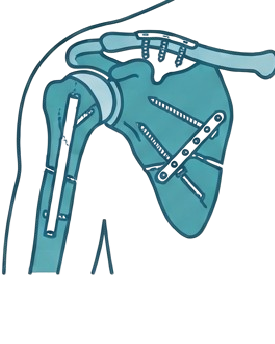
Shoulder conditions can significantly affect daily activities, work, and participation in sports. Recurrent shoulder dislocation and instability, rotator cuff tears, other shoulder ligament injuries, and shoulder-area fractures in particular can impair function and increase the risk of further injury. Dr. Melesse has received focused training in shoulder arthroscopy and open shoulder surgery. His clinical interests include the assessment and management of shoulder instability and the selection of appropriate stabilization procedures according to the underlying pathology and the patient's individual needs. His experience in this area is supported by his participation in specialized shoulder surgery courses and his role as a course director, moderator, and presenter at a shoulder instability surgery training program held at Black Lion Hospital in August 2024.
Recurrent dislocation and instability
Rotator cuff tears
Shoulder ligament injuries
Shoulder-area fractures
Arthroscopic and open stabilization
04
Complex Foot and Ankle Surgery
During his fellowship at Ganga Hospital, Coimbatore, India, Dr. Melesse Gardie engaged in foot and ankle surgery training throughout his attachment in the Sports and Arthroscopy department. He was involved in a range of advanced open and arthroscopic foot and ankle procedures, as well as limb reconstruction surgery.
Open foot and ankle procedures
Ankle arthroscopy
Limb reconstruction
05
Comprehensive Orthopedic and Trauma Surgery
In addition to his subspecialty practice, Dr. Melesse has experience in general orthopedic surgery, musculoskeletal trauma, limb reconstruction, and orthopedic tumor surgery. His earlier clinical and academic work involved the management of a broad range of orthopedic conditions, including complex injuries and reconstructive problems. This wider foundation supports a comprehensive approach to musculoskeletal assessment and treatment. His professional development has included training in advanced limb reconstruction, trauma management, difficult fractures, pediatric orthopedic conditions, and tumor and soft-tissue reconstruction.
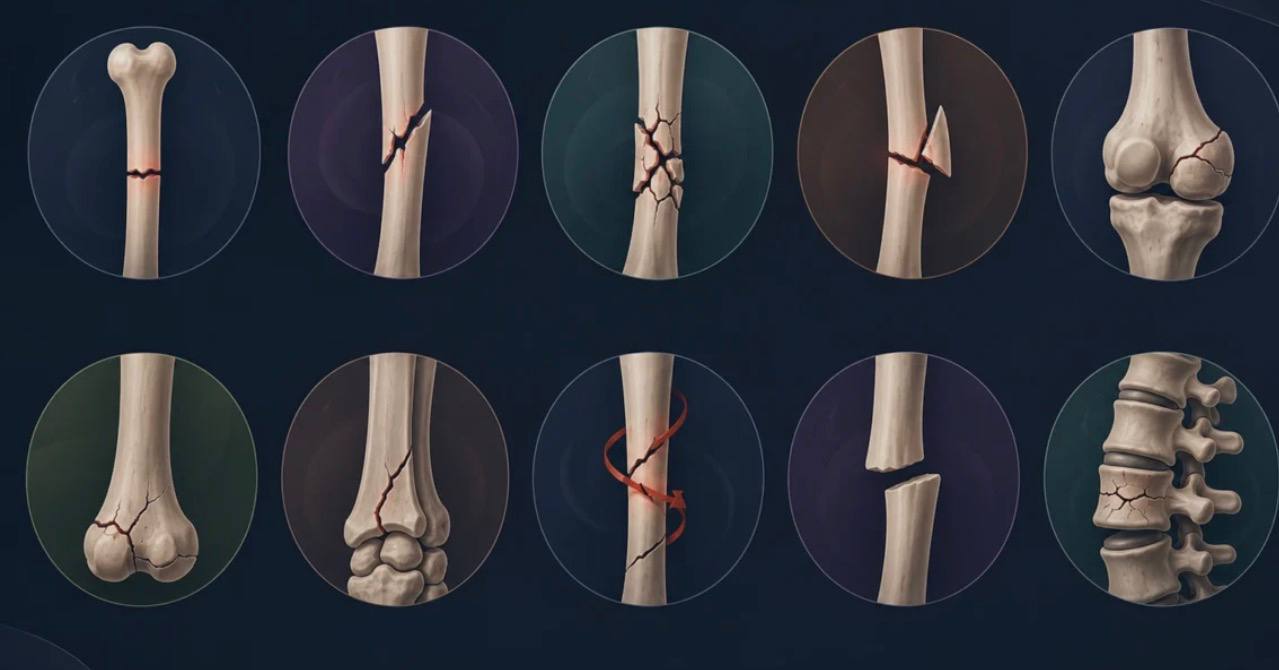
Fracture and Dislocation Management
Open Fracture Treatment
Non-union and Mal-union Treatment
Evaluation and Treatment of other general Orthopedic problems
Credentials
Certificates & Diplomas
Professional qualifications and certifications of Dr. Melesse Gardie. Select any document to view it in full.
What We Treat
Conditions We Treat
Patient-focused evaluation and care for common orthopedic concerns. Treatment may include non-surgical care, rehabilitation, or surgery depending on the diagnosis.
KneeACL & meniscus injuries, arthritis, instabilityHipArthritis, fractures, joint replacementShoulderDislocation, instability, rotator cuffOpen & Closed Fracture TreatmentAssessment and management of simple and complex fractures, from casting and non-surgical care to surgical fixation, followed by rehabilitation to restore strength and movement.
Knee Pain
Evaluation and management of knee pain from injury, overuse, or degenerative conditions, with individualized treatment planning.
Hip Pain
Assessment of hip joint discomfort from arthritis, injury, or structural problems, including discussion of conservative and surgical options.
Osteoarthritis
Care for joint degeneration affecting knees, hips, and other joints, focusing on pain relief, function, and quality of life.
ACL Injuries
Anterior cruciate ligament injury evaluation, with discussion of reconstruction and rehabilitation pathways when appropriate.
Meniscus Tears
Meniscus injury assessment and treatment, ranging from conservative management to arthroscopic intervention when indicated.
Joint Instability
Evaluation of knee and shoulder instability, with treatment plans tailored to activity level and individual needs.
Treatments
Featured Procedures & Treatments
Evidence-based orthopedic procedures with individualized assessment and postoperative rehabilitation.
Arthroscopic ACL Reconstruction
Minimally invasive surgery to reconstruct a torn anterior cruciate ligament using arthroscopic techniques, with structured rehabilitation to support return to activity.
Considered for: ACL tears, knee instability, active patients seeking return to sport.
Meniscus Treatment
Arthroscopic assessment and treatment of meniscus tears, ranging from repair when possible to partial meniscectomy when indicated, based on tear type and patient factors.
Considered for: Meniscus tears, knee locking, pain with twisting activities.
Total Knee Replacement
Joint replacement surgery for advanced knee osteoarthritis, replacing damaged joint surfaces with artificial components to relieve pain and restore function.
Considered for: Advanced osteoarthritis, severe joint pain, significant functional limitation.
Total Hip Replacement
Joint replacement surgery for hip osteoarthritis and advanced degeneration, replacing the hip joint to reduce pain and improve mobility and function.
Considered for: Hip osteoarthritis, advanced joint degeneration, chronic hip pain.
Selected Arthroscopic Joint Procedures
Minimally invasive arthroscopic surgery for shoulder and other joint conditions, using small incisions and a camera to diagnose and treat intra-articular problems.
Considered for: Shoulder impingement, selected cartilage problems, joint diagnostic evaluation.
What to Expect
The Patient Journey
Every patient's care path is unique. This overview shows the typical steps in orthopedic evaluation and treatment.
1
Consultation and Assessment
Your first visit includes a detailed discussion of your symptoms, medical history, and goals. Dr. Gardie performs a physical examination to understand your condition.
2
Diagnostic Evaluation
When indicated, imaging such as X-rays, MRI, or other tests may be ordered to confirm the diagnosis and guide treatment planning.
3
Discussion of Options
All appropriate options are explained, including non-surgical care, rehabilitation, and surgical interventions when indicated. The decision is made collaboratively.
4
Individualized Planning
A personalized plan is developed based on your condition, lifestyle, activity level, and preferences.
5
Procedure or Non-Surgical Care
Treatment proceeds as agreed—whether that is arthroscopic surgery, joint replacement, injections, physical therapy, or observation.
6
Follow-up and Rehabilitation
Post-treatment monitoring and rehabilitation support help you regain function and return to your activities safely.
The actual process varies based on your specific condition and needs.
Education & Recognition
Academic contributions, training, and professional recognition
Dr. Melesse remains actively involved in orthopedic education and professional development. Through his academic appointment at Addis Ababa University, he contributes to the teaching and training of orthopedic residents while maintaining his clinical and surgical responsibilities.
He has participated in and contributed to several professional training programs, including courses in knee arthroscopy, shoulder surgery, arthroplasty, trauma management, and limb reconstruction. His roles as a course director, moderator, and presenter demonstrate his involvement in sharing surgical knowledge and supporting the development of orthopedic practice.
His CV also records professional recognition from the Oromia Regional Health Bureau and the Ethiopian Society of Orthopedics and Traumatology for contributions to medical training, orthopedic care, and emergency surgical services for displaced and war-injured patients.
These experiences reflect a professional commitment that extends beyond individual clinical practice to include medical education, collaboration, and the broader development of orthopedic services.
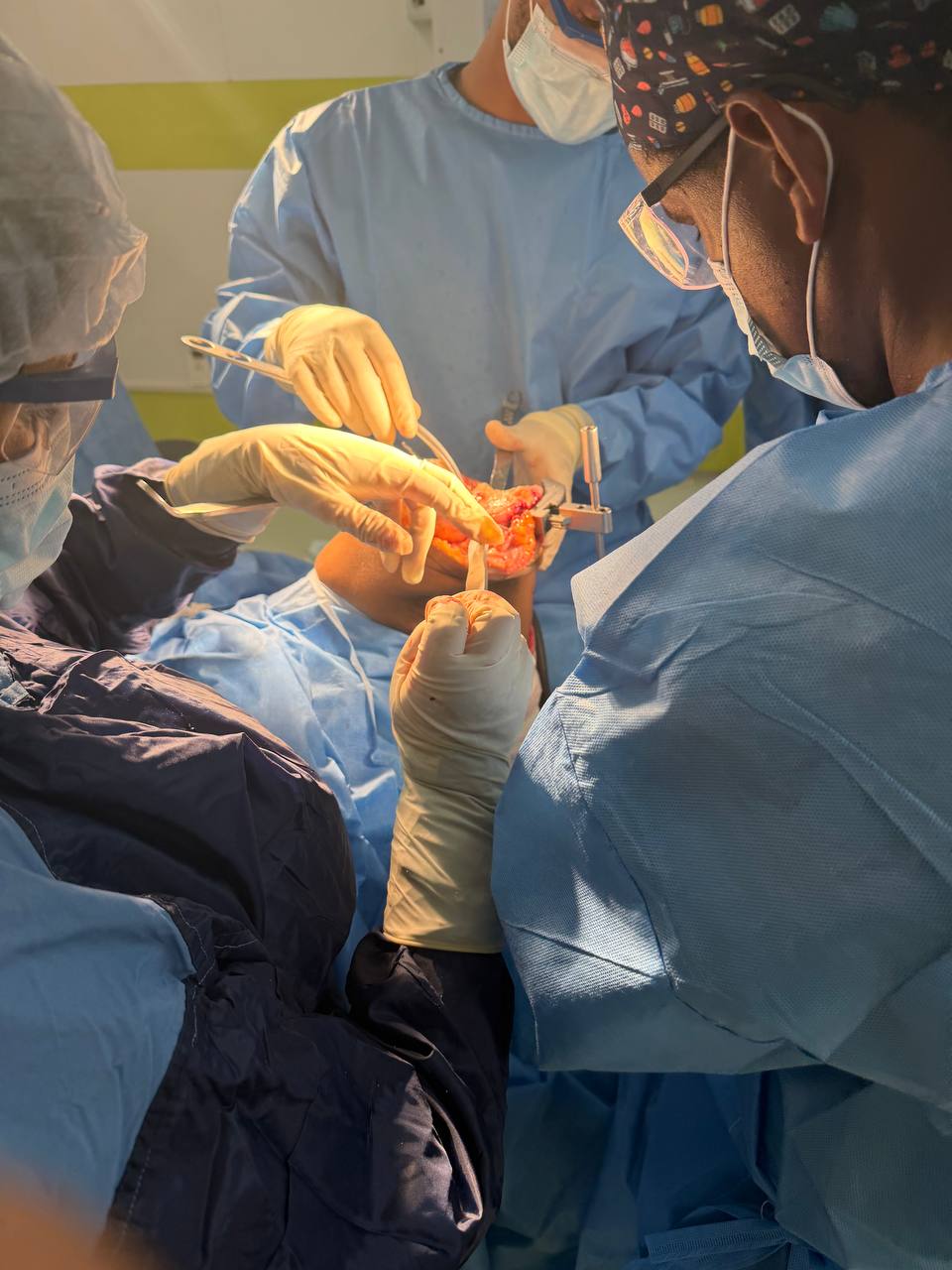
In the operating room
Patient Education
Learn About Your Condition
Orthopedic health information to help you understand conditions, treatments, and recovery.
Understanding ACL Injuries
An overview of anterior cruciate ligament injuries, how they occur, and what treatment options may be considered.
3 min read
When Knee Pain Needs an Orthopedic Assessment
Signs and symptoms that suggest it may be time to see an orthopedic surgeon for knee pain evaluation.
2 min read
Meniscus Tears: Symptoms and Treatment
Understanding meniscus injuries, from conservative management to arthroscopic treatment options.
3 min read
Understanding Knee and Hip Replacement
What joint replacement involves, who may be a candidate, and what to expect from recovery.
3 min read
Recovery After Orthopedic Surgery
Guidance on rehabilitation, follow-up care, and returning to activity after orthopedic procedures.
3 min read
Maintaining Joint Health
Practical steps for supporting joint function and safe physical activity at any age.
2 min read
Understanding ACL Injuries
The anterior cruciate ligament (ACL) is one of the main ligaments that stabilize the knee. It runs through the centre of the joint and stops the shin bone from sliding forward and rotating too far under the thigh bone.
How does it happen?
Most ACL injuries happen without contact: a sudden change of direction, stopping quickly, pivoting on a planted foot, or landing awkwardly from a jump. They are common in football, basketball, and other sports with cutting and jumping, but can also occur in falls and road accidents.
Common symptoms
A "pop" felt or heard at the moment of injury
Swelling that develops within a few hours
Pain and difficulty continuing the activity
A feeling that the knee "gives way" or is unstable, especially when turning
Diagnosis
A careful history and physical examination are the most important steps. An MRI scan is often used to confirm the injury and check for associated damage, such as meniscus tears or cartilage injury.
Treatment options
Not every ACL injury needs surgery. Some patients with lower activity demands do well with a structured physiotherapy programme. ACL reconstruction is usually considered for people who want to return to pivoting sports, who have ongoing instability, or who have other injuries in the knee that need repair. Reconstruction replaces the torn ligament with a tendon graft using arthroscopic (keyhole) techniques.
Recovery
Rehabilitation is essential whichever option is chosen. After reconstruction, most patients walk with support early on, and return to sport is typically a gradual process over many months, guided by strength and functional testing rather than time alone.
When Knee Pain Needs an Orthopedic Assessment
Many episodes of knee pain settle with rest, activity changes, and simple pain relief. Some signs, however, suggest that the knee should be properly examined by an orthopedic specialist.
Book an assessment if you have
Swelling that appears soon after an injury, or keeps coming back
The knee locking, catching, or getting stuck so it will not straighten fully
The knee giving way or feeling unstable
Difficulty bearing weight or walking normally
Pain that has lasted more than a few weeks despite rest
Pain that wakes you at night or limits daily activities, work, or sport
Stiffness or loss of movement that is getting worse
What the assessment involves
Your visit will include a discussion of how the pain started, what makes it better or worse, and your activity goals, followed by a physical examination. X-rays or an MRI may be recommended if they will help with diagnosis or planning treatment.
Seek urgent care if the knee is obviously deformed after an injury, you cannot put any weight on the leg, or the knee is hot, red, and swollen with fever, which can be a sign of infection.
Meniscus Tears: Symptoms and Treatment
Each knee has two menisci: C-shaped pads of cartilage that sit between the thigh bone and shin bone. They act as shock absorbers and help keep the knee stable.
How tears happen
In younger, active people, tears usually result from twisting the knee while the foot is planted. With age, the meniscus becomes weaker, and degenerative tears can occur with minor movements such as squatting or getting up from a low position.
Common symptoms
Pain along the inner or outer side of the knee joint
Swelling and stiffness, often developing over a day or two
Catching, clicking, or locking of the knee
Difficulty fully bending or straightening the knee
Treatment options
Many tears, especially degenerative ones, improve with non-surgical care: activity modification, pain relief, and physiotherapy to strengthen the muscles around the knee. Arthroscopic surgery may be considered when symptoms persist, or when the knee is locked or catching.
Where possible, the meniscus is repaired with stitches to preserve it, since it plays an important role in protecting the joint long-term. If a torn segment cannot heal, only the damaged portion is trimmed (partial meniscectomy). The choice depends on the type and location of the tear, the patient's age, and activity level.
Recovery
Recovery after a partial meniscectomy is usually quicker. After a repair, a period of protected movement and weight-bearing is needed to allow the meniscus to heal.
Understanding Knee and Hip Replacement
Joint replacement (arthroplasty) replaces the worn surfaces of a damaged joint with artificial components made of metal and medical-grade plastic or ceramic. It is one of the most established operations for relieving pain from advanced arthritis.
Who may be a candidate?
People with advanced arthritis confirmed on X-ray
Pain that limits walking, sleep, work, or daily activities
Symptoms that persist despite non-surgical treatment such as medication, physiotherapy, weight management, or injections
The decision is made together with your surgeon, taking into account your overall health, expectations, and goals.
What the operation involves
In a total knee replacement, the damaged ends of the thigh bone and shin bone are resurfaced, with a plastic spacer between them. In a total hip replacement, the ball (femoral head) is replaced with a stem and ball, and the socket is lined with a new cup.
Recovery
Most patients start walking with a frame or crutches very soon after surgery. Physiotherapy is central to recovery. Many people return to most daily activities within a few months, and improvement often continues for up to a year.
Risks
As with any major surgery, there are risks, including infection, blood clots, stiffness, and wear or loosening of the implant over time. These, and the steps taken to reduce them, are discussed in detail before surgery.
Recovery After Orthopedic Surgery
A good outcome depends not only on the operation itself, but also on what happens in the weeks and months that follow. These general principles apply to most orthopedic procedures; always follow the specific instructions you are given.
The first weeks
Pain control: take medication as prescribed so you can move and do your exercises.
Swelling: elevate the limb and use ice or cold packs as advised.
Wound care: keep the dressing clean and dry until you are told otherwise.
Weight-bearing: follow the instructions on how much weight to put on the limb, and use crutches or a brace if they are recommended.
Rehabilitation
Physiotherapy restores movement, strength, and balance in stages. Doing your exercises regularly at home between sessions makes a significant difference. Progress is gradual, and some discomfort during exercise is normal.
Follow-up visits
Attend all scheduled follow-ups so that healing can be checked, stitches removed when needed, and your activity level safely increased.
Returning to activity
Return to work, driving, and sport depends on the procedure and on your progress. Your surgeon and physiotherapist will guide you on when each step is safe.
Contact the clinic or seek urgent care if you develop fever, increasing redness, discharge or bad smell from the wound, calf pain or swelling, or sudden chest pain or shortness of breath.
Maintaining Joint Health
Healthy joints rely on strong muscles, good movement, and sensible loading. These everyday habits can help protect your joints and keep you active at any age.
Stay active: regular movement nourishes joint cartilage. Walking, cycling, and swimming are gentle on the joints.
Build strength: strong thigh, hip, and core muscles reduce the load on the knees and hips. Aim for strengthening exercises at least twice a week.
Manage body weight: every extra kilogram adds load to the knees and hips with each step; even modest weight loss can reduce joint pain.
Warm up and progress gradually: increase training intensity step by step, and warm up before sport.
Use good technique: learn safe landing, cutting, and lifting techniques, especially in sports with jumping and pivoting.
Wear supportive footwear suited to your activity.
Listen to your body: pain that persists, swelling, or instability should be assessed rather than ignored.
Early assessment of joint problems often allows simpler, non-surgical treatment and helps protect the joint in the long term.
FAQ
Frequently Asked Questions
Common questions about orthopedic care and treatment.
What does an orthopedic surgeon treat?
Orthopedic surgeons diagnose and treat conditions of the bones, joints, ligaments, tendons, and muscles. This includes arthritis, sports injuries, fractures, and conditions that may require surgery such as joint replacement or arthroscopy.
What is arthroscopy?
Arthroscopy is a minimally invasive surgical technique using a small camera (arthroscope) and specialized instruments to examine and treat problems inside a joint through small incisions.
Is every knee problem treated with surgery?
No. Many knee problems can be managed with non-surgical options such as physical therapy, activity modification, medications, or injections. Surgery is considered when conservative measures are not sufficient.
Why is rehabilitation important after orthopedic surgery?
Rehabilitation helps restore strength, mobility, and function after surgery. A structured recovery plan supports healing and helps patients return to their activities safely and effectively.
Contact
Book an Appointment
Arrange an orthopedic consultation to discuss your symptoms, diagnosis, and available treatment options.
Appointment Schedule
Marcia Hospital (Marcia Surgical Center)Behind Dembel City Center
.png)
.jpg)
.jpg)
.jpg)